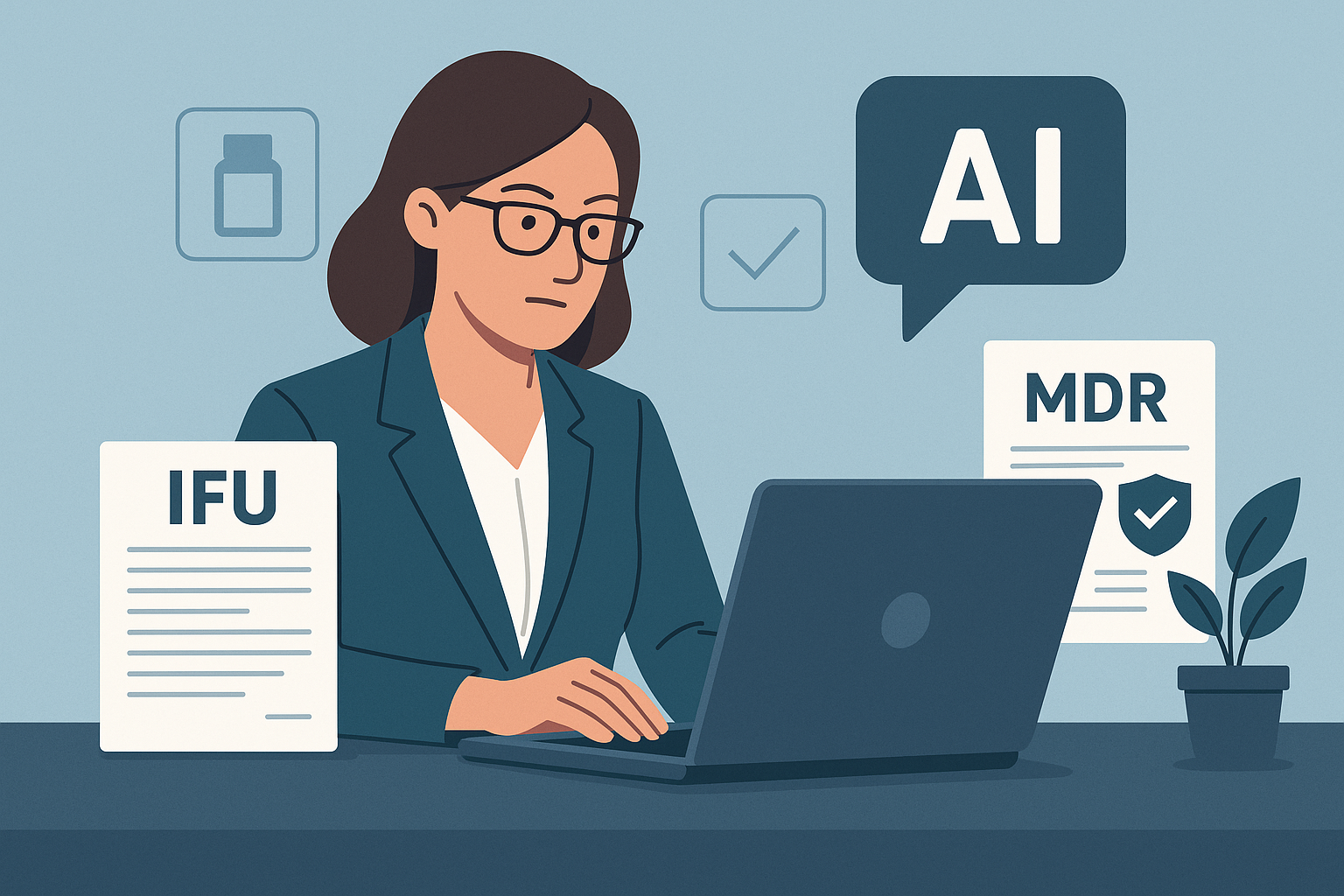
A clinical trial can take years to generate robust results. A regulatory submission may go through months of assessment. And yet, all that work can be delayed for a reason that rarely makes headlines: a poorly managed pharmaceutical translation.
In the pharmaceutical industry, translation is not a last-minute administrative task. It is the link between science, regulation and market access. When it fails, the consequences go beyond lost time: it can affect the confidence of healthcare professionals, patients and regulatory authorities.
That is why delivering high-quality pharmaceutical translations requires much more than fluency in two languages. It requires specialised expertise, regulatory awareness and a rigorous quality process.
What sets pharmaceutical translation apart from other specialised translation services?
Not all specialised translation requires the same level of precision. In medical translation, an incorrectly interpreted nuance may confuse a healthcare professional. In pharmaceutical documentation, that same nuance could alter an indication, a safety warning or dosing information.
For this reason, pharmaceutical translation is not simply about transferring words from one language into another. It requires a thorough understanding of approved product terminology, the regulatory context of each market and the need for consistency across Summary of Product Characteristics (SmPCs), Package Leaflets (PLs), labelling and materials for healthcare professionals.
A single document translated in isolation, without this level of control, can introduce risks that may only become apparent at a later stage of the product lifecycle.
What pharmaceutical companies now expect from their language partner
Pharmaceutical companies operating across multiple markets no longer select pharmaceutical translation services based solely on price or turnaround times. They look for a language partner capable of managing complex projects with traceability, consistency and specialist expertise.
This translates into three key requirements.
The first is access to native-speaking translators with relevant life sciences backgrounds and proven experience in pharmaceutical documentation.
The second is working with specialised pharmaceutical translators who understand the differences between content intended for regulatory authorities, patient-facing materials and communications aimed at healthcare professionals.
The third—and often the most decisive—is having a quality management system that does not rely on the judgement of a single individual, but on a structured and repeatable process. This includes validated glossaries, product-specific translation memories and specialist review procedures for every delivery.
When translation goes wrong, the problem is rarely just linguistic
Errors in pharmaceutical translations rarely remain purely language-related. A poorly adapted Package Leaflet can create uncertainty for patients. Inconsistent labelling may lead to questions from regulatory authorities. A SmPC that does not align with the approved EMA template can delay a launch that is already working to a tight schedule.
These situations are rarely caused by a lack of linguistic ability. More often, they result from the absence of a robust process.
Without a shared glossary, each translator may make independent terminology decisions. Without translation memories, every update starts from scratch. Without specialist review, critical regulatory nuances can be overlooked.
The difference between a general translation provider and a specialised pharmaceutical translation partner becomes clear precisely when projects become complex.
How we work at Lexic
For more than 15 years, we have focused exclusively on one field: life sciences and healthcare. This specialisation enables us to provide accurate translations into more than 60 languages, supported by pharmaceutical translators specialised by therapeutic area and quality processes certified according to ISO 17100:2015.
We work with pharmaceutical companies, medical device manufacturers and dermocosmetic brands that require the same level of quality and consistency across every market.
Behind every pharmaceutical translation project we deliver are client-approved glossaries, product-specific translation memories and a quality control process that reviews not only terminology, but also consistency across SmPCs, Package Leaflets and materials for healthcare professionals.
Frequently asked questions
What is the difference between pharmaceutical translation and general medical translation?
Medical translation covers clinical and scientific communication in a broad sense. Pharmaceutical translation adds an additional layer: regulatory compliance. A term that is acceptable in a scientific publication may not be appropriate in an authorised product document such as an SmPC.
Which documents require the highest level of control in a pharmaceutical translation project?
SmPCs, Package Leaflets, labelling and clinical trial documentation require the highest level of precision because their translations must accurately reflect the versions approved by the relevant authorities.
Is it safe to combine machine translation with human review in pharmaceutical projects?
Yes, provided that machine translation is combined with professional human post-editing carried out in accordance with the quality requirements established in ISO 18587. This ensures that the final content is reviewed by qualified specialists who verify accuracy, terminology, consistency, readability and compliance with the intended purpose of the document.
The suitability of machine translation depends on the type of content, the level of risk and the required quality standards. For pharmaceutical documentation, particularly regulatory, safety-related or patient-facing materials, a controlled post-editing process performed by specialised pharmaceutical linguists is essential to ensure that the final translation meets the required quality and compliance expectations.
How are quality standards maintained in multilingual pharmaceutical projects?
Through certified processes, validated glossaries, product-specific translation memories and specialist review in every language and every delivery—not only in the first version.
Choosing a pharmaceutical translation service is not a last-minute decision
Selecting a pharmaceutical translation partner should never be an afterthought. It is a decision that can influence how quickly a product reaches the market and how confidently it does so.
At Lexic, we support pharmaceutical companies worldwide throughout this process, applying the same level of precision and commitment that they apply to the quality of their own products.