In the healthcare sector, linguistic accuracy is not merely a matter of quality—it is an ethical, clinical, and legal imperative. A misinterpreted figure in a clinical trial protocol, a missing contraindication, or an ambiguous instruction in a high-risk healthcare product can have serious consequences for patient safety.
This is why specialised medical translation should not be seen as a peripheral service. It is the crucial link that safeguards end-users while supporting regulatory and commercial success for pharmaceutical and biotech companies operating internationally.
Language as a Regulatory Barrier
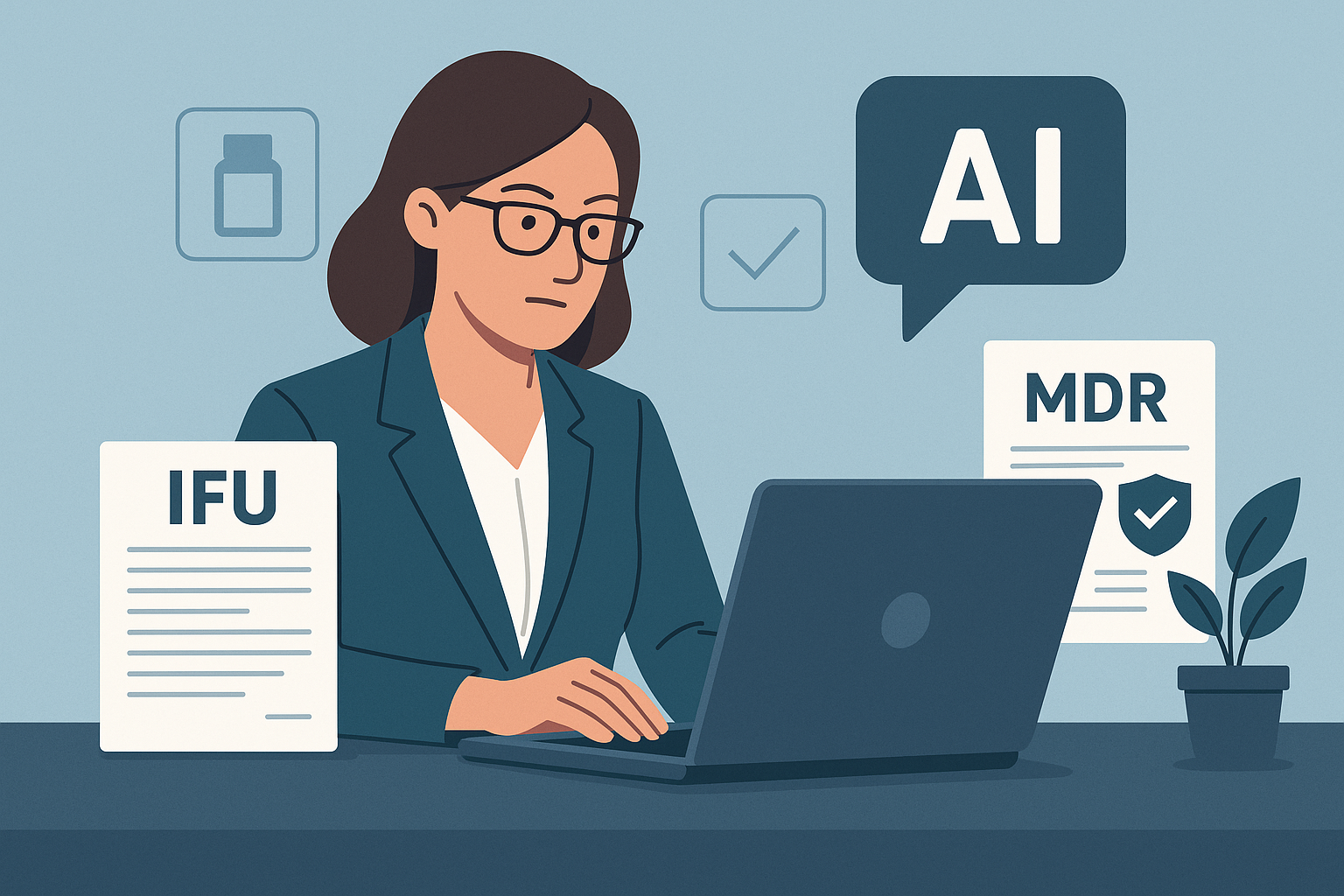
The introduction of the EU Medical Device Regulation (MDR 2017/745) and the In Vitro Diagnostic Regulation (IVDR 2017/746) has raised the bar for technical documentation. A “faithful translation” is no longer enough: authorities now require that all information accompanying a healthcare product is available in the official language(s) of the country where it is marketed, fully consistent with the technical file submitted to the notified bodies.
This encompasses critical documents such as Instructions for Use (IFU), Summary of Safety and Clinical Performance (SSCP), Clinical Evaluation Reports (CER), Post-Market Clinical Follow-up (PMCF) plans, as well as labelling and implant cards—properly adapted to each target language.
Ensuring consistency and precision across these documents not only guarantees regulatory compliance but also protects patient safety and smooths the path for international approval and commercialisation.
Quality Assured: ISO Standards and Double-Check Workflows
The reliability of medical translation is measured against verifiable standards. Working with a provider certified under ISO 17100 ensures a robust workflow with double checks:
- An initial translation by a linguist specialised in health sciences.
A thorough review by a second independent professional with equal or higher technical expertise.
Where budgets or timelines are tight, ISO 18587 provides an effective alternative. This certification guarantees that post-editing of machine translation is performed systematically, ensuring terminological consistency, clinical accuracy, and full traceability. It also allows potential risk points to be identified proactively, where a terminological error could compromise the interpretation of a clinical procedure or the correct understanding of a healthcare product.
Specialisation and Linguistic Validation: The Value of Detail
Medical translation is a highly specialised field with distinct niches:
- Clinical research and validation: Trial protocols and informed consent documents (ICFs) require in-depth linguistic validation, often including back-translation and, in some cases, cognitive debriefing with patients to ensure that the original meaning is accurately conveyed.
- Regulatory affairs and QRD templates: Marketing authorisations require mastery of EMA QRD templates, standardised terminology such as MedDRA for adverse events or EDQM for dosage forms and routes of administration. Any deviation can result in immediate rejection by regulatory authorities.
- Pharmaceutical marketing and transcreation: In commercial contexts, technical translation evolves into transcreation, adapting campaigns, patient education materials, or product launches to achieve the intended emotional and cultural impact in local markets, while strictly adhering to regulations on advertising and prescription medicine promotion.
Accurate linguistic validation is critical not only for safety but also to maintain credibility and market trust.
Risks of Uncontrolled Automation
The financial and reputational cost of poor medical translation far outweighs the investment in professional services. Common risks include:
- False friends and unit errors: Confusing terms like “mild” with “medium”, or miscalculating doses (e.g., micrograms versus milligrams), can have serious consequences.
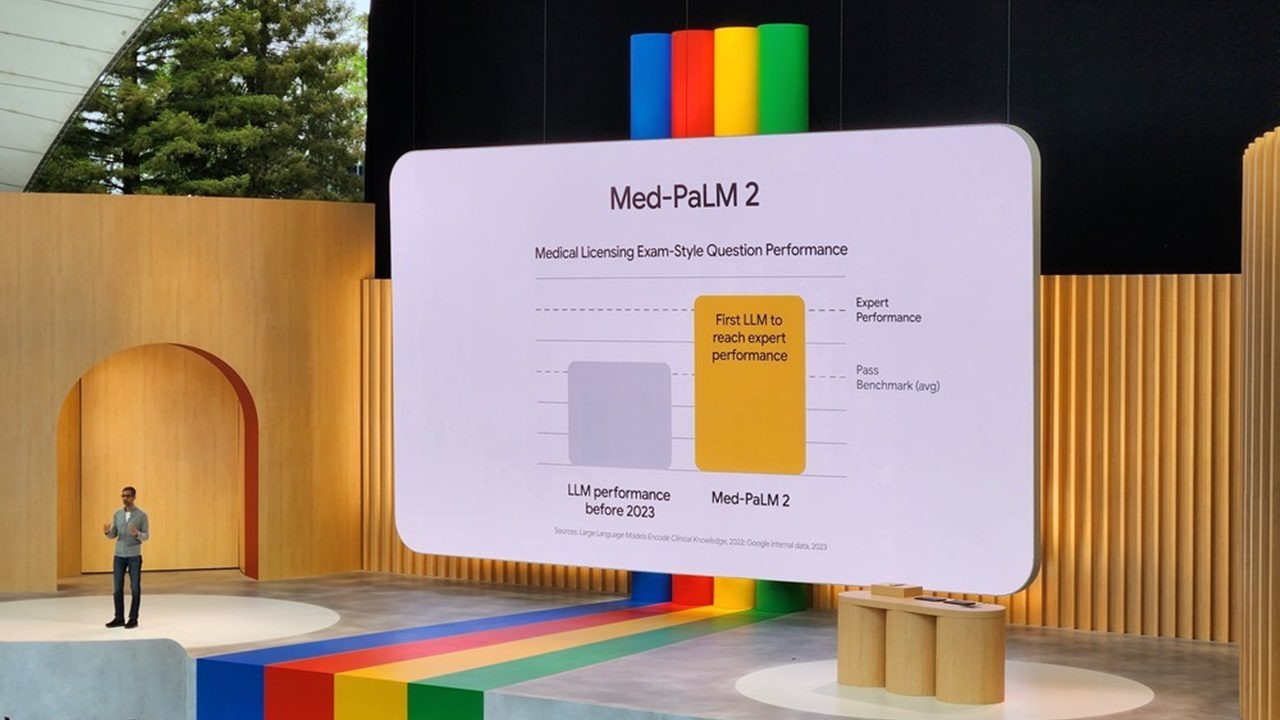
- AI without expert oversight: Relying on machine translation without specialised post-editing may produce grammatically correct but technically inaccurate texts. AI typically lacks the clinical context to distinguish critical terminological nuances in specific conditions.
- Terminology inconsistencies: Without centralised glossaries and corporate translation memories, the same component may be referred to in multiple ways across documents, confusing the healthcare professional using it.
A strategic partner like Lexic implements multidimensional quality controls and objective metrics (such as SAE J2450) to ensure every term is precise and consistent across the company’s entire documentation ecosystem.
Translation as a Strategic Asset
In a globalised, highly regulated healthcare market, medical translation is no longer a last-minute task—it is a high-return strategic investment. Choosing a provider with proven clinical experience, international quality certifications, and mastery of medical language is the only real guarantee that scientific innovation can cross borders safely.
Only by combining linguistic excellence with scientific rigour can advanced therapies and technologies reach patients effectively and safely.
At Lexic, we fuse scientific precision with advanced linguistic expertise. We help leading healthcare companies internationalise their products, ensuring that language is never a barrier to patient safety.